In short: A RICS Level 3 Building Survey is the most detailed survey you can commission before buying a home in London or the South East. It suits older, period, altered, extended or non-standard properties, and tells you the condition of the building, what is causing any defects, how urgent the repairs are and what to budget for, before you exchange contracts.
Why choose Aston James Associates for your Level 3 Building Survey
- Carried out and signed by Patrick Oliver BSc (Hons) MRICS, an RICS chartered surveyor and RICS Registered Valuer.
- Independent: we work for you, not the lender or the estate agent.
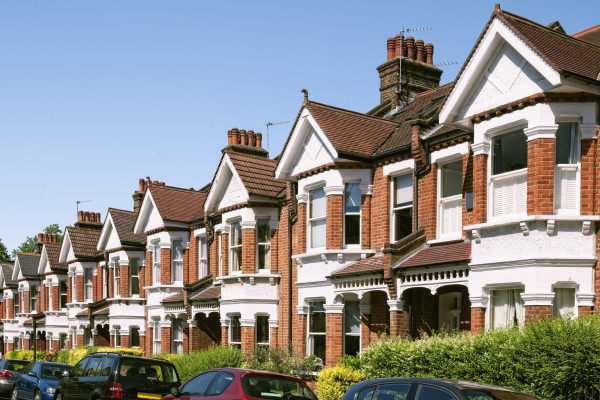
- Victorian and Edwardian terraces, conversions, mansion blocks and post-war homes across South London are our everyday work. See what we find in practice: subsidence vs settlement and damp in older properties.
- Inspection usually within 3 working days of instruction, and your report within 5 working days of the inspection, with clear, practical advice written in plain English.
- A post-survey review with your surveyor is included, to talk through the findings and what to do next.
- Fixed fee, quoted online in under a minute: get your instant quote. Not sure which level you need? Compare the RICS Level 2 HomeBuyer Survey or read Building Survey vs HomeBuyer Report.
A Level 3 Building Survey will help you:
- Understand the true condition of the property before you commit
- Make sense of hidden or complex defects in older and unusual buildings
- Plan a realistic schedule of repairs, maintenance and future works
- Negotiate on price, or walk away, from an informed position
Get an Instant Quote for a Survey or Valuation


Get a quote for a survey/valuation
on your house in seconds
What Is a RICS Level 3 Building Survey?
The RICS Level 3 Building Survey, formerly known as a Full Structural Survey or Building Survey, is the most comprehensive property inspection offered under the RICS Home Survey Standard. It is carried out by one of Aston James Surveyors’ chartered building surveyors and delivers a detailed written report on the construction, condition and fabric of the property, along with practical advice on repairs, ongoing maintenance and potential future issues.
Unlike a mortgage valuation, which is prepared for the lender's benefit, a Level 3 Survey is commissioned by you and written for you. It is best suited to older or period properties, listed buildings, homes of non-standard construction, properties that have been significantly altered or extended, and any building where you are planning major works or renovations.
If you are unsure whether a Level 3 Survey is the right option for your situation, our team will be happy to advise you based on the property type, age and condition. You may also find our Level 2 Homebuyers Survey more suitable for conventional, modern properties in reasonable condition.
What Does a RICS Level 3 Survey Cover?
A Level 3 Building Survey goes well beyond the scope of a Homebuyer Report. Your surveyor will inspect every accessible part of the building, inside and out, and produce a detailed report explaining the condition of each element, the likely cause of any defects, the urgency of repair and the probable consequences of leaving problems unaddressed.
The key areas covered include:
A close inspection of the principal structural parts of the building, including walls, floors, load-bearing elements and any visible evidence of foundation movement. Your surveyor will look for signs of subsidence, settlement, cracking, bulging or distortion that may affect the long-term stability of the property.
A detailed assessment of the roof coverings, roof structure, chimneys, gutters, rainwater goods and external walls. Where safe access is available, the roof space is inspected from inside to check the condition of timbers, insulation and any signs of leaks, rot or infestation.
A thorough walk-through of the interior, covering ceilings, floors, walls, doors, windows, staircases and internal joinery. Your surveyor will look for damp, timber defects, signs of poor workmanship and any evidence of previous repairs that may require further investigation.
A visual inspection of the visible parts of the gas, electric, water, heating and drainage installations. These services are not tested at this level, but your surveyor will flag any obvious defects and recommend specialist inspection where appropriate.
An assessment of permanent outbuildings, garages, boundary walls, fences and shared areas. Features such as retaining walls, paths and drives are also considered where they relate to the condition of the main building.
Visual checks are carried out for materials such as asbestos, along with enquiries about contamination, flooding risk and other environmental concerns. Where a potential issue is identified, your surveyor will recommend further specialist investigation before you commit to the purchase.
The heart of the Level 3 report is detailed defect diagnosis. Each significant issue is explained in plain English, with an outline of repair options and recommended next steps, so you know exactly what you are dealing with and what it is likely to involve.
A Level 3 Survey does not include a market valuation or reinstatement cost as standard, but Aston James Surveyors can provide both as separate services if required. Please discuss this with our team when booking. If a specific structural concern is identified during the inspection, a focused General Structural Inspection (GSI) may also be recommended.


Why Is a Level 3 Survey Important?
Older and unusual properties often hide defects that simply cannot be picked up by a mortgage valuation or a mid-level survey. A Level 3 Building Survey is designed to give you the fullest possible picture of what you are buying, so you can proceed with confidence, reconsider, or renegotiate from an informed position.
Commissioning a Level 3 Survey from a qualified chartered surveyor helps you avoid risks such as:
Period properties, converted flats and heavily altered homes can carry defects that only become apparent once you have moved in. Roof failures, timber decay, damp issues and poorly executed alterations can run into tens of thousands of pounds to put right. A Level 3 Survey identifies these problems before contracts are exchanged.
A mortgage valuation confirms the property is suitable security for the lender. It does not protect you as the buyer. When your surveyor identifies significant defects, you have credible, independent evidence to support a reduction in the agreed price or a request for the seller to carry out repairs ahead of completion.
If you are planning to extend, renovate or convert, a Level 3 Survey will highlight structural considerations, non-standard construction, unpermitted alterations and other issues that could affect the feasibility and cost of your plans. Far better to know this before you exchange than after.
Aston James Surveyors is a privately owned, independent firm of chartered surveyors. We work for you, not a lender and not an estate agent. Our reports give you clear, honest and practical advice so you can make one of the most significant financial decisions you will face with confidence.
Book Your Level 3 Building Survey Today with Aston James Associates
Aston James Surveyors offer fast booking, quick turnaround and competitive fees on RICS Level 3 Building Surveys across London, Sheffield and the South East. If you are buying an older, larger or unusual property, get in touch today for a free, no-obligation quote tailored to the size and age of your property.
Level 3 survey guides
- Buying a Victorian or Edwardian house: what a Level 3 survey usually finds
- Building survey vs homebuyer report: which one do you need?
- 12 common structural issues found in residential surveys
- Damp in older properties: causes, diagnosis and cost of repair
- Subsidence vs settlement: how surveyors tell the difference
- Japanese knotweed: what your survey will report and how it affects value
- Extensions and loft conversions without Building Regulations sign-off
Frequently Asked Questions
A Level 3 inspection typically takes several hours on site, ranging from around half a day for a standard property to a full day for larger or more complex buildings. Your written report usually follows within a few working days, and your surveyor will often provide a brief post-inspection summary beforehand so you have the headline findings straight away.
A Level 2 Homebuyer Report is suited to conventional properties in reasonable condition, built from around 1850 onwards. A Level 3 Building Survey is more detailed and more thorough, and is recommended for older, larger, listed, altered or non-standard properties, as well as any home you plan to carry out significant works on. The Level 3 report includes detailed defect diagnosis, likely causes, repair options and the consequences of inaction.
A market valuation is not included as standard in the RICS Level 3 format, but Aston James Surveyors can provide one as a separate service. A reinstatement cost assessment for insurance purposes and a feasibility report on proposed works can also be arranged on request.
The Level 3 Building Survey was previously known as a Full Structural Survey, and in everyday conversation the two terms are often used to mean the same thing. A true structural survey is a more specialist report prepared by a structural engineer and is usually only required where a significant structural concern has been identified. If your Level 3 report flags something that needs further investigation, your surveyor will recommend the appropriate specialist or a focused General Structural Inspection.
Yes, we recommend you are present during the survey so your surveyor has full access to all areas of the property and can address any specific concerns you want included in the report. Your presence also allows the surveyor to walk you through initial observations on the day, with detailed findings following in your written report.
You can request a free, no-obligation instant quote online, call us on 0800 035 6473, or email info@ajacsurv.co.uk. Our team will confirm availability, turnaround and fee, and book your inspection at the earliest convenient date.

